




The Optional Home Inspection
November 14, 2024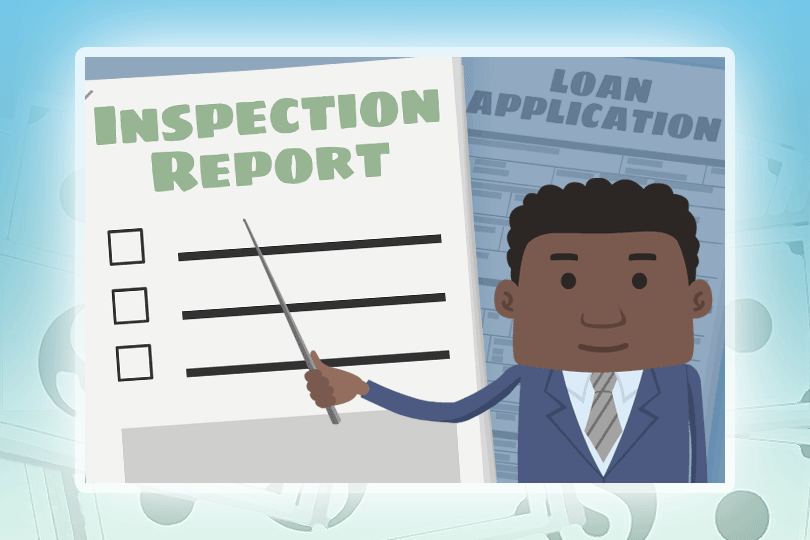
A home inspection provides an unbiased, expert assessment of the property's condition, uncovering potential issues that might not be noticeable to the untrained observer. Add the home inspection to your to-do list for best results.
Think of it as a comprehensive health check for your potential investment. You should only commit to a home after it has been reviewed by a qualified professional and not just an FHA fee appraiser.
Why Do You Need a Home Inspection? Examples
A couple is interested in a beautiful Victorian-era home. The appraisal confirmed the asking price was reasonable, However, during the inspection significant cracks were discovered in the foundation, suggesting expensive repairs. Thanks to the inspection, the buyers renegotiated the price.
Another example? A family looking for a larger home finds one in a popular area. The house’s freshly painted walls and modern kitchen suggested a well-maintained property, but after the inspection, the buyers learned of basement water damage and a history of flooding due to inadequate drainage.
The buyers chose to pass on the home. That scenario may have worked out differently if they had relied on the appraisal alone.
A final example: A retired couple examined a property listed as having a newly replaced roof. However, the inspection report revealed some new shingles layered over old, damaged ones. Is that the definition of “newly replaced?”
These examples represent only a few issues a home inspection may reveal. While it might seem like an additional expense, it's a small investment compared to the potential costs of unforeseen repairs and problems.
Never Skip the Inspection
- Uncover Hidden Problems: Inspections reveal issues that might not be visible during your walkthrough.
- Negotiate Repairs or Price: The inspection report provides leverage to negotiate repairs or a lower price.
- Avoid Costly Surprises: This can save you from expensive repairs after you move in.
- Make Informed Decisions: You should fully understand the property's condition so that you can make an informed decision about your purchase.
FHA Loan Articles
August 19, 2026Homebuyers who have enough cash for a down payment still need to consider their full financial picture before choosing between a conventional mortgage and an FHA loan. Having cash on hand changes the math for both options, but savings alone won't make a conventional loan the automatic winner. Credit scores, current debt, and the type of property you want to buy all determine which loan will cost less over time.
August 11, 2026Homeowners with FHA adjustable-rate loans need to track their loans more closely. That is because FHA ARM loans start with introductory interest rates that eventually expire and are subject to change afterwards based on market rates. When interest rates rise, monthly housing payments climb on ARM loans, pushing many homeowners to consider refinancing into a fixed-rate mortgage.
August 10, 2026If you want to buy a home with an FHA mortgage, you must set up an escrow account to cover property taxes, homeowner insurance, and upfront closing expenses. While the FHA loan program has rules for funding these accounts, buyers often do not realize those rules can include approved and unallowed sources for escrow funds. What do you need to know before you set up and fund your escrow account for an FHA mortgage?
August 3, 2026Buying a home in a high-cost area requires understanding how FHA loan limits shape your financing options. Does the house for sale have a price above the local FHA loan limit? You may need to explore your jumbo loan options. There are conventional jumbo loans and FHA versions. Which is right for you? Much depends on your financial needs, plans, and goals for the loan.
July 30, 2026There is a common misconception about FHA loans that only a first-time home buyer can use the program. This is not true; repeat buyers can qualify for an FHA loan, but why does this misconception exist? Partially because state and local programs have first-time buyer requirements for down payment and/or closing cost assistance programs. So while you do not need to be a first-time buyer to get an FHA loan, you may need to meet that definition to qualify for down payment help.