





FHA Loan Income Rules to Consider Before Applying
April 18, 2023
Not all income counts, and some income must be earned for a minimum amount of time before it will be counted toward your gross income for the purpose of qualifying you for a loan.
There are rules for your main job or primary employment, there are rules for the lender when it comes to any projected income you feel you are likely to earn, and there are rules for counting part-time income. What do you need to know about these rules before you fill out a loan application?
FHA Loan Rules for Income
HUD 4000.1, the FHA Single-Family Lender’s Handbook, has instructions for the lender to review hourly income, salary, and part-time income. Your participating FHA lender is responsible for examining earnings from the home loan applicant’s “primary employment” which is defined in the rule book as being “the Borrower's principal employment” unless some or all of that income falls within a specific category such as part-time work, overtime, bonuses, etc.
FHA loan applicants who earn a salary will have their current pay evaluated. “For employees who are salaried and whose income has been and will likely be consistently earned, the Mortgagee must use the current salary to calculate Effective Income.”
Some borrowers want to know if a projected pay raise might be included in the income calculation. For FHA purchase loans, such projected income is likely not to be used. What you are actually earning will be the important figure at application time.
Hourly Pay Rules
And what about those who may have hourly pay instead of a salary? HUD 4000.1 has a section addressing income requirements for borrowers with hourly employment. “For employees who are paid hourly, and whose hours do not vary, the Mortgagee must consider the Borrower's current hourly rate to calculate Effective Income.”
The rulebook adds that for employees who are paid hourly and whose hours vary, the lender must average the income “over the previous two years. If the Mortgagee can document an increase in pay rate the Mortgagee may use the most recent 12-month average of hours at the current pay rate.”
Part-Time Income
And what does HUD 4000.1 say about part time income? “Part-Time Employment refers to employment that is not the Borrowers primary employment and is generally performed for less than 40 hours per week” and FHA loan rules allow your lender to use part-time income to qualify for a home loan.
This is true when, “the Borrower has worked a part-time job uninterrupted for the past two years and the current position is reasonably likely to continue.” And FHA loan rules for overtime and bonuses fall into a similar requirement; such income must have been earned for at least two years before it can be considered stable and reliable income.
If you aren’t sure how these rules may affect your ability to get a home loan approved, talk to a loan officer. It pays to know what your lender expects to see from a home loan application.
------------------------------
RELATED VIDEOS:
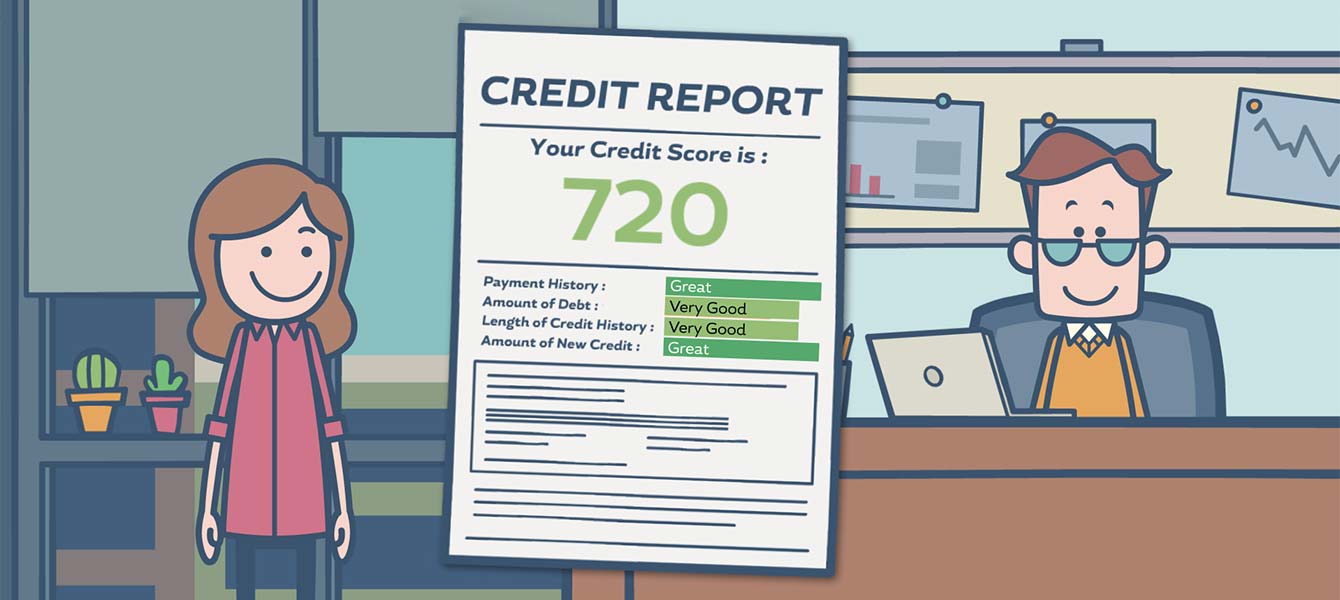
Know What's On Your Credit Report
FHA Loans Have Credit Requirements
Help Is Available With Down Payment Grants
FHA Loan Articles
August 19, 2026Homebuyers who have enough cash for a down payment still need to consider their full financial picture before choosing between a conventional mortgage and an FHA loan. Having cash on hand changes the math for both options, but savings alone won't make a conventional loan the automatic winner. Credit scores, current debt, and the type of property you want to buy all determine which loan will cost less over time.
August 11, 2026Homeowners with FHA adjustable-rate loans need to track their loans more closely. That is because FHA ARM loans start with introductory interest rates that eventually expire and are subject to change afterwards based on market rates. When interest rates rise, monthly housing payments climb on ARM loans, pushing many homeowners to consider refinancing into a fixed-rate mortgage.
August 10, 2026If you want to buy a home with an FHA mortgage, you must set up an escrow account to cover property taxes, homeowner insurance, and upfront closing expenses. While the FHA loan program has rules for funding these accounts, buyers often do not realize those rules can include approved and unallowed sources for escrow funds. What do you need to know before you set up and fund your escrow account for an FHA mortgage?
August 3, 2026Buying a home in a high-cost area requires understanding how FHA loan limits shape your financing options. Does the house for sale have a price above the local FHA loan limit? You may need to explore your jumbo loan options. There are conventional jumbo loans and FHA versions. Which is right for you? Much depends on your financial needs, plans, and goals for the loan.
July 30, 2026There is a common misconception about FHA loans that only a first-time home buyer can use the program. This is not true; repeat buyers can qualify for an FHA loan, but why does this misconception exist? Partially because state and local programs have first-time buyer requirements for down payment and/or closing cost assistance programs. So while you do not need to be a first-time buyer to get an FHA loan, you may need to meet that definition to qualify for down payment help.