





First-Time Homebuyers and the FHA Loan Requirements
September 2, 2021
If you are a first-time home buyer interested in financing your home with an FHA loan, it is important you understand the guidelines, restrictions, and what it takes to get approved as an FHA borrower.
Credit Score and Down Payment Requirements
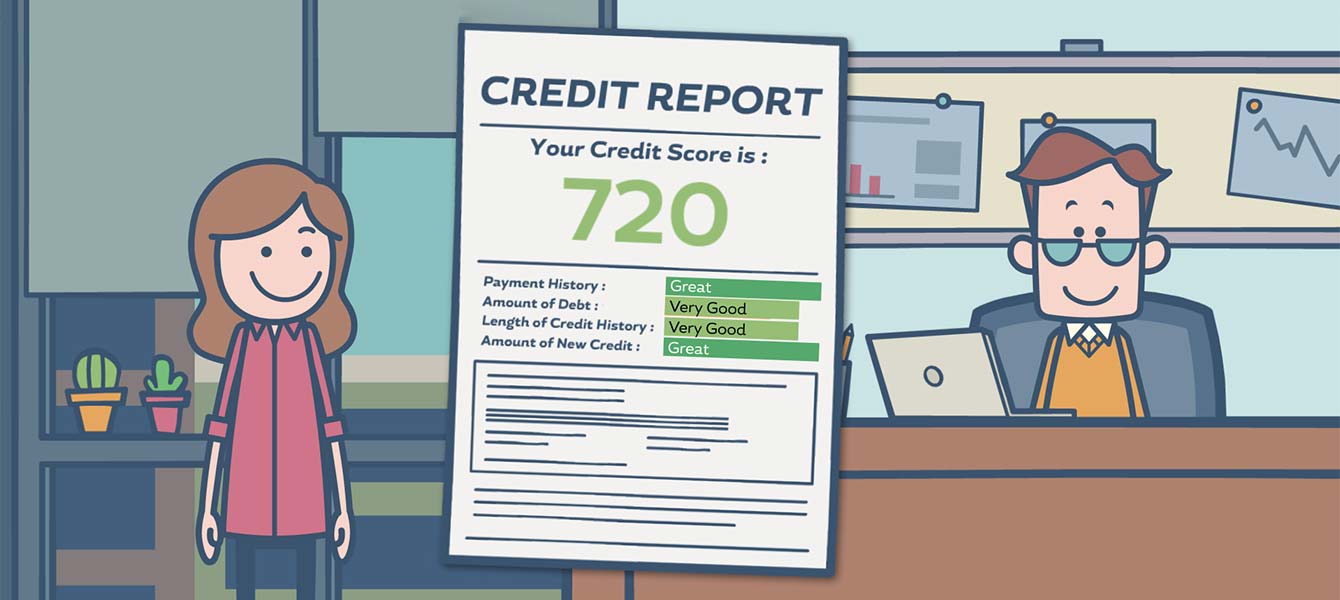
The FHA’s low credit score and down payment requirement is one of the main features appeals to first-time home buyers. The FHA requires a minimum credit score of 580 to be eligible for a minimum down payment of 3.5%, or as low as 500 if the borrower can afford to put down 10% on the home. However, it is important to remember that despite being insured by the FHA, individual FHA lenders may have “overlays” that require higher scores to qualify, in order to protect themselves even more.
Debt-to-Income Ratio
A feature that draws many first-time borrowers to FHA loans is that there is no income requirement. Instead, the FHA sets a maximum debt-to-income ratio to decide on whether borrowers are able to make their monthly payments. According to HUD Handbook 4000.1, FHA borrowers can have a “maximum qualifying ratio” 43%. The debt-to-income ratio is calculated by adding up the total mortgage payment for the new home, as well as any recurring monthly debt, which includes principal and interest, escrow deposits for taxes, hazard insurance, mortgage insurance premium, car loans, personal loans, student loans, credit cards, etc. That number divided by the borrower’s gross monthly income gives us the DTI ratio, which must fall under 43% to qualify.
Mortgage Insurance Premiums
The FHA requires a Mortgage Insurance Premium that helps to protect lenders from losses if and when borrowers are unable to repay their loans. There is also an Upfront Mortgage Insurance Premium (UFMIP) to be paid at closing that is typically 1.75% of the loan amount. The annual MIP cost depends on the length of the loan, the loan-to-value ratio, and when the loan was originated. This insurance helps the FHA continue to offer loans to first-time home buyers who are also high-risk, and it is important for those borrowers to know about the premium before being surprised by their first monthly payment.
FHA Limits for Borrowers
The FHA sets annual limits for the amount it will insure in home loans. The limits are based on county and property type, and the conventional loan limits set by Fannie Mae and Freddie Mac. The FHA loan limits are a deciding factor for many borrowers in whether they or not they apply for an FHA mortgage.
Eligible Property Types
In an effort to include more Americans in the housing market, FHA loans are available to finance various kinds of housing. The FHA offers Condo Loans, One-Time Construction Loans for new construction, and also Rehab Loans for fixer-uppers. They can be used to purchase single-family homes, multi-family homes with up to four units, and even manufactured homes on permanent foundations. The main rule to know is that any home purchased with an FHA loan must serve as the borrower’s primary residence. Investment properties are not eligible. There are exceptions for mixed-use properties, with at least 51% of the space dedicated to residence.
FHA loans can be a great option for many potential home buyers. If you are interested in applying for an FHA loan, talk to your loan officer to see if you meet all the requirements, and see if it is the best move for you!
------------------------------
RELATED VIDEOS:
FHA Loans Have Eligibility Requirements
The U.S. Government Backs Mortgages Through the FHA
Financed Properties Must Meet FHA Minimum Standards
FHA Loan Articles
August 19, 2026Homebuyers who have enough cash for a down payment still need to consider their full financial picture before choosing between a conventional mortgage and an FHA loan. Having cash on hand changes the math for both options, but savings alone won't make a conventional loan the automatic winner. Credit scores, current debt, and the type of property you want to buy all determine which loan will cost less over time.
August 11, 2026Homeowners with FHA adjustable-rate loans need to track their loans more closely. That is because FHA ARM loans start with introductory interest rates that eventually expire and are subject to change afterwards based on market rates. When interest rates rise, monthly housing payments climb on ARM loans, pushing many homeowners to consider refinancing into a fixed-rate mortgage.
August 10, 2026If you want to buy a home with an FHA mortgage, you must set up an escrow account to cover property taxes, homeowner insurance, and upfront closing expenses. While the FHA loan program has rules for funding these accounts, buyers often do not realize those rules can include approved and unallowed sources for escrow funds. What do you need to know before you set up and fund your escrow account for an FHA mortgage?
August 3, 2026Buying a home in a high-cost area requires understanding how FHA loan limits shape your financing options. Does the house for sale have a price above the local FHA loan limit? You may need to explore your jumbo loan options. There are conventional jumbo loans and FHA versions. Which is right for you? Much depends on your financial needs, plans, and goals for the loan.
July 30, 2026There is a common misconception about FHA loans that only a first-time home buyer can use the program. This is not true; repeat buyers can qualify for an FHA loan, but why does this misconception exist? Partially because state and local programs have first-time buyer requirements for down payment and/or closing cost assistance programs. So while you do not need to be a first-time buyer to get an FHA loan, you may need to meet that definition to qualify for down payment help.