





Buying a Farm Residence with an FHA Loan
December 4, 2024
Borrowers who want to buy a farm residence are in luck with the FHA loan program, which includes options to purchase farm residences.
Those purchases must be made under specific conditions when the primary focus is on the residence itself. This distinction is crucial: the FHA loan program is intended to support homeownership, not business ventures.
Getting an FHA Farm Residence Loan
A successful FHA farm loan is one in which the buyer wants a home that happens to be situated on a rural property rather than trying to pay for the purchase of a working farm. For farm residence loans, the appraisal process is crucial.
While the FHA appraiser will consider the land surrounding the home, the emphasis is on its value as a residence, as mentioned above. The appraisal amount will not include its business or agricultural potential.
Things to Know
- A reasonable amount of acreage typical for a homeowner in the area will be included in the appraisal. Don’t expect more consideration than for a typical front and back yard.
- Excess farmland, barns, silos, outbuildings used for commercial farming operations, and specialized equipment are considered commercial assets and do not contribute to the appraised value for FHA loan purposes.
- Outbuildings or land areas that are intended for personal use may require you to provide documentation to support this claim.
- Beyond the appraisal, several other FHA requirements must be met. The borrower must intend to occupy the farmhouse as their primary residence. The property must also meet FHA's minimum standards for health, safety, and structural integrity requirements.
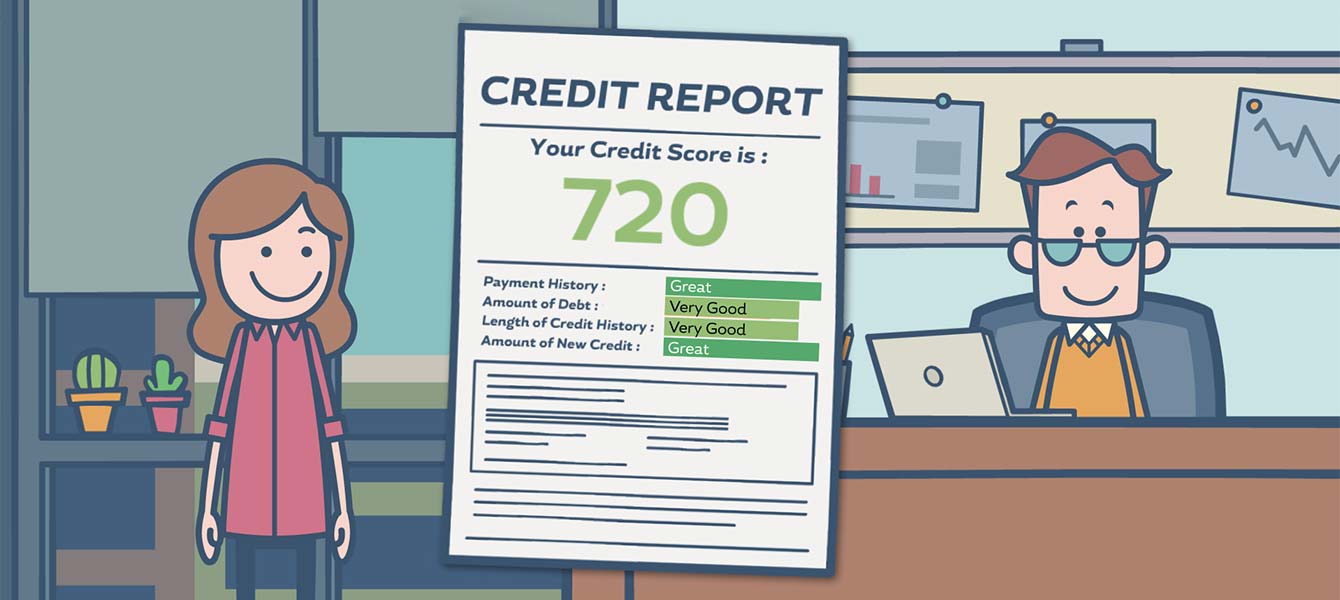
- Finally, borrowers must meet FHA's debt-to-income ratio requirements and have a credit score that meets the lender's standards.
Despite these requirements, FHA loans often have more relaxed eligibility criteria, making them accessible to a wider range of borrowers. They typically offer competitive interest rates, which can translate to significant savings over the life of the loan.
However, potential challenges and considerations should be acknowledged. FHA loans have maximum loan limits that vary by county, and these limits may be lower in rural areas, potentially impacting purchasing power.
FHA loans also require both upfront and annual mortgage insurance premiums (MIP), which increase the overall cost of the loan. Discuss your needs with a lender before committing to a farm residence loan to better know your options and obligations.
FHA Loan Articles
August 19, 2026Homebuyers who have enough cash for a down payment still need to consider their full financial picture before choosing between a conventional mortgage and an FHA loan. Having cash on hand changes the math for both options, but savings alone won't make a conventional loan the automatic winner. Credit scores, current debt, and the type of property you want to buy all determine which loan will cost less over time.
August 11, 2026Homeowners with FHA adjustable-rate loans need to track their loans more closely. That is because FHA ARM loans start with introductory interest rates that eventually expire and are subject to change afterwards based on market rates. When interest rates rise, monthly housing payments climb on ARM loans, pushing many homeowners to consider refinancing into a fixed-rate mortgage.
August 10, 2026If you want to buy a home with an FHA mortgage, you must set up an escrow account to cover property taxes, homeowner insurance, and upfront closing expenses. While the FHA loan program has rules for funding these accounts, buyers often do not realize those rules can include approved and unallowed sources for escrow funds. What do you need to know before you set up and fund your escrow account for an FHA mortgage?
August 3, 2026Buying a home in a high-cost area requires understanding how FHA loan limits shape your financing options. Does the house for sale have a price above the local FHA loan limit? You may need to explore your jumbo loan options. There are conventional jumbo loans and FHA versions. Which is right for you? Much depends on your financial needs, plans, and goals for the loan.
July 30, 2026There is a common misconception about FHA loans that only a first-time home buyer can use the program. This is not true; repeat buyers can qualify for an FHA loan, but why does this misconception exist? Partially because state and local programs have first-time buyer requirements for down payment and/or closing cost assistance programs. So while you do not need to be a first-time buyer to get an FHA loan, you may need to meet that definition to qualify for down payment help.