



What to Think About Before Closing Day
March 30, 2026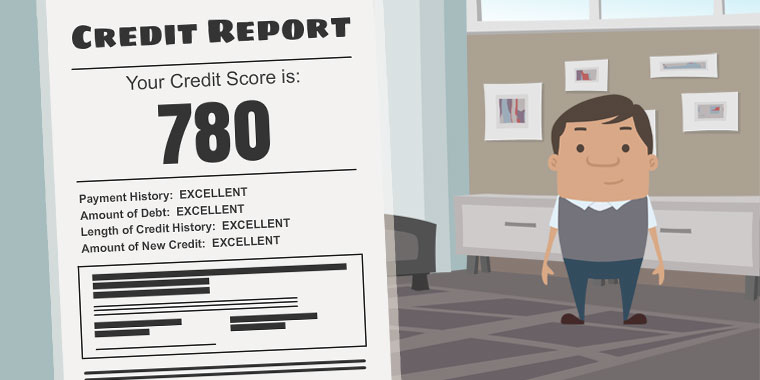
The true value of an FHA loan lies in the preparation phase. Understanding the mechanics of the mortgage, the reality of the costs, and the responsibilities of maintenance transforms a hopeful buyer into a prepared homeowner. You must view the period before you sign a contract as a training ground for the rest of your life as a property owner.
Should I seek out a housing counselor as a first-time home buyer?
Even when not strictly required by every lender, seeking out a HUD-approved housing counseling agency is a strategic move. These counselors offer neutral advice on whether a person is truly ready for the financial shift from renting to owning.
They help create a household budget that accounts for more than just a monthly mortgage payment. A prepared buyer knows that the sticker price of a home is only the beginning of the investment. You must learn to calculate the cost of utilities and waste removal.
How does a credit score affect initial costs?
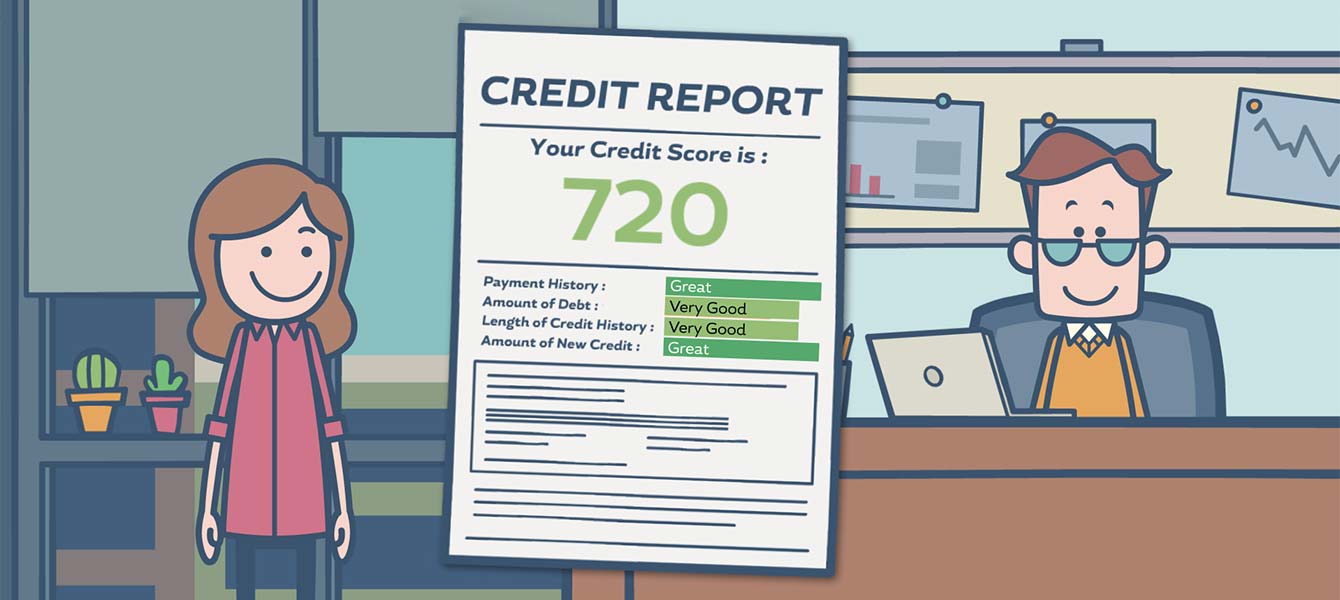
Your credit history functions as a financial resume. The FHA allows for a down payment as low as 3.5 percent for those with a credit score of 580 or higher. If a score falls between 500 and 579, the requirement typically increases to 10 percent.
Are these similar to conventional loan standards?
While these thresholds are lower than those for conventional loans, a higher score usually translates to better interest rates.
Lenders generally look for a ratio below 43 percent, though some exceptions exist for borrowers with strong compensating factors. You should spend at least six months monitoring your score before applying. This window allows you to dispute inaccuracies that might lower your standing. It also gives you time to show a consistent history of on-time payments.
Should my home buyer savings plan cover more than just the down payment?
A down payment is only a portion of the cash needed at the closing table. Closing costs typically range from 2 percent to 6 percent of the purchase price. These fees cover appraisals, title searches, loan origination, and credit reports. FHA loan rules allow sellers to contribute up to 6 percent of the purchase price toward these costs, but buyers should be prepared to cover them on their own.
Saving for both the down payment and closing costs provides a stronger negotiating position. You should keep these funds in a liquid savings account so they are easily accessible when it is time to wire the money.
Is mortgage insurance a permanent expense?
One trade-off for a low down payment is the requirement for Mortgage Insurance Premiums. This insurance protects the lender in cases where the borrower defaults on the FHA loan. For most buyers putting down less than 10 percent, this monthly cost remains for the entire life of the loan.
Mortgage insurance is a cost that does not disappear when equity reaches 20 percent, unlike private mortgage insurance on conventional loans. You must factor this into your monthly debt obligations to ensure you are not overextending your bank account.
Is a maintenance budget necessary?
Ownership brings the end of the era where you could call a landlord to fix a leak. Every repair, from a leaking faucet to a failing roof, becomes the responsibility of the homeowner.
Financial preparation involves establishing an emergency fund specifically for home repairs. A common rule of thumb suggests saving 1 percent to 2 percent of a home's value each year for maintenance.
How do taxes affect your monthly payment?
When you transition from a renter to an owner, your tax situation shifts. You may be eligible to deduct mortgage interest and property taxes from your federal income tax. However, you must also be prepared to pay property taxes, which can increase over time. Many FHA borrowers use an escrow account to manage these payments.
This means your monthly bank check includes a portion for the loan, a portion for insurance, and a portion for taxes. While this makes budgeting easier, you should remember that an increase in local tax rates will raise your monthly payment. You should research the tax history of any property you consider to avoid surprises after your first year of ownership.
What are the final steps before closing?
Do not open new credit cards or take out an auto loan. Do not move large sums of money between accounts without a clear paper trail. Lenders perform a final credit check just before closing to see that your financial situation has not changed. Any new debt can disqualify you from the loan at the last minute.
FHA Loan Articles
August 19, 2026Homebuyers who have enough cash for a down payment still need to consider their full financial picture before choosing between a conventional mortgage and an FHA loan. Having cash on hand changes the math for both options, but savings alone won't make a conventional loan the automatic winner. Credit scores, current debt, and the type of property you want to buy all determine which loan will cost less over time.
August 11, 2026Homeowners with FHA adjustable-rate loans need to track their loans more closely. That is because FHA ARM loans start with introductory interest rates that eventually expire and are subject to change afterwards based on market rates. When interest rates rise, monthly housing payments climb on ARM loans, pushing many homeowners to consider refinancing into a fixed-rate mortgage.
August 10, 2026If you want to buy a home with an FHA mortgage, you must set up an escrow account to cover property taxes, homeowner insurance, and upfront closing expenses. While the FHA loan program has rules for funding these accounts, buyers often do not realize those rules can include approved and unallowed sources for escrow funds. What do you need to know before you set up and fund your escrow account for an FHA mortgage?
August 3, 2026Buying a home in a high-cost area requires understanding how FHA loan limits shape your financing options. Does the house for sale have a price above the local FHA loan limit? You may need to explore your jumbo loan options. There are conventional jumbo loans and FHA versions. Which is right for you? Much depends on your financial needs, plans, and goals for the loan.
July 30, 2026There is a common misconception about FHA loans that only a first-time home buyer can use the program. This is not true; repeat buyers can qualify for an FHA loan, but why does this misconception exist? Partially because state and local programs have first-time buyer requirements for down payment and/or closing cost assistance programs. So while you do not need to be a first-time buyer to get an FHA loan, you may need to meet that definition to qualify for down payment help.