




What You Need to Know about Down Payment Assistance
February 12, 2026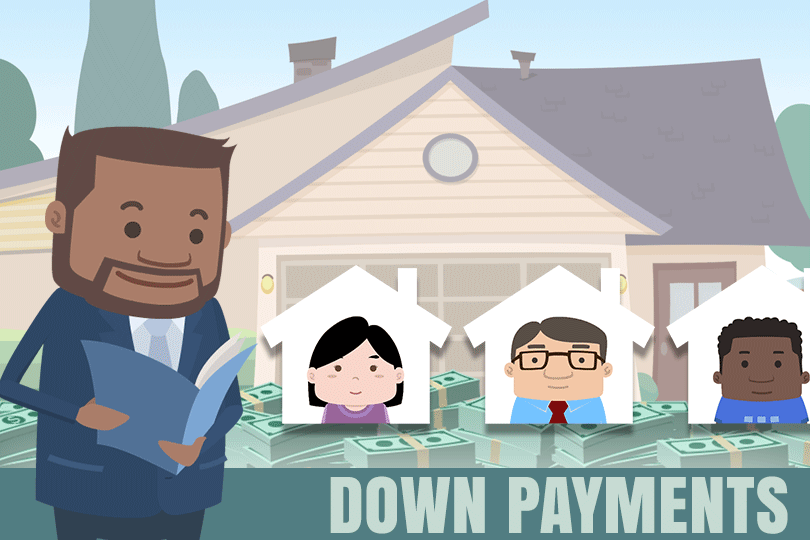
Down payment assistance programs provide an entry point into home ownership but there may be long-term financial obligations that come with the help. Making an informed decision to use DPA is key.
The most obvious perk of DPA is the preservation of your savings. By using a grant or secondary loan to cover your down payment, you keep your cash reserves available for repairs and emergencies.
Strings Attached?
One of the less-publicized "strings" attached to some down payment assistance? A slightly higher mortgage loan interest rate. Lenders may charge a premium on the mortgage when it is paired with DPA. Because these programs involve more administrative work and represent higher risk, the higher rate is used to offset those costs.
Residency Requirements
Many programs are structured as forgivable loans. That means your loan obligation goes away once you meet specific criteria. The most common requirement is that you live in the home as your primary residence for a set period, typically between five and ten years. If you stay the full duration, the debt is canceled.
If you move before the end of that period, you may be forced to repay the assistance in full. This can become a financial anchor that limits your ability to move for a better job or a larger home when life circumstances change.
"Equity Compression" and Second Liens
DPA often creates a second lien on your property. Whether it is a "silent" second that requires no monthly payments or a traditional repayable loan, it remains a debt that must be settled.
When you sell the home, the proceeds must satisfy both the primary FHA loan and the assistance lien.
In a flat real estate market, this can result in "equity compression." You may find yourself with very little cash left after paying off both debts and closing costs. For those focused on long-term wealth building, starting with a higher debt-to-value ratio means it will take much longer for the home to become a net financial asset.
Future Refinancing
Market conditions are cyclical, and many homeowners eventually want to refinance to a lower interest rate. Having an assistance lien makes this more difficult. To refinance, you must either pay off the assistance loan or ask the provider to "subordinate" their lien to your new mortgage.
Not all agencies grant subordination easily.
If there is a refusal to cooperate, you may be unable to lower your monthly payment when rates are better, preventing you from saving thousands of dollars in interest over the subsequent years of homeownership. Much depends on the lender, circumstances, and the type of loan you choose.
FHA Loan Articles
August 19, 2026Homebuyers who have enough cash for a down payment still need to consider their full financial picture before choosing between a conventional mortgage and an FHA loan. Having cash on hand changes the math for both options, but savings alone won't make a conventional loan the automatic winner. Credit scores, current debt, and the type of property you want to buy all determine which loan will cost less over time.
August 11, 2026Homeowners with FHA adjustable-rate loans need to track their loans more closely. That is because FHA ARM loans start with introductory interest rates that eventually expire and are subject to change afterwards based on market rates. When interest rates rise, monthly housing payments climb on ARM loans, pushing many homeowners to consider refinancing into a fixed-rate mortgage.
August 10, 2026If you want to buy a home with an FHA mortgage, you must set up an escrow account to cover property taxes, homeowner insurance, and upfront closing expenses. While the FHA loan program has rules for funding these accounts, buyers often do not realize those rules can include approved and unallowed sources for escrow funds. What do you need to know before you set up and fund your escrow account for an FHA mortgage?
August 3, 2026Buying a home in a high-cost area requires understanding how FHA loan limits shape your financing options. Does the house for sale have a price above the local FHA loan limit? You may need to explore your jumbo loan options. There are conventional jumbo loans and FHA versions. Which is right for you? Much depends on your financial needs, plans, and goals for the loan.
July 30, 2026There is a common misconception about FHA loans that only a first-time home buyer can use the program. This is not true; repeat buyers can qualify for an FHA loan, but why does this misconception exist? Partially because state and local programs have first-time buyer requirements for down payment and/or closing cost assistance programs. So while you do not need to be a first-time buyer to get an FHA loan, you may need to meet that definition to qualify for down payment help.