





Getting to Closing Day with an FHA Mortgage
February 9, 2026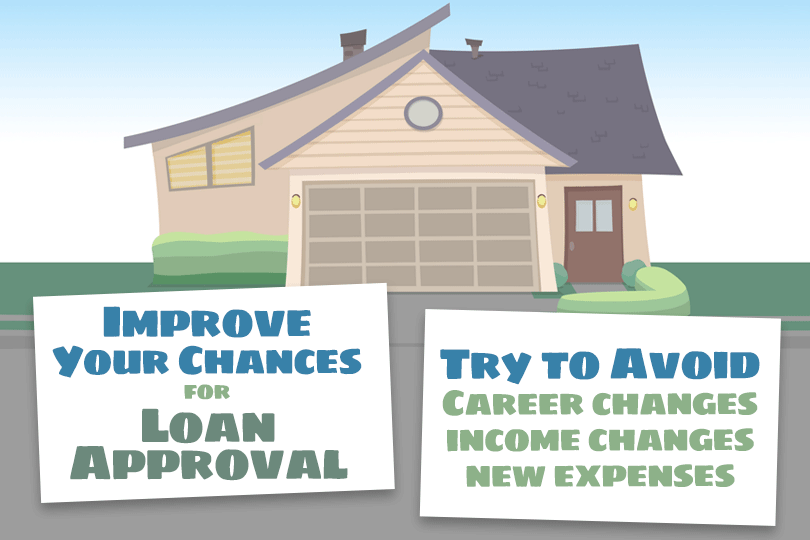
Why?
Because the period between loan approval and closing is sensitive. Will your lenders often re-pull credit reports or verify bank balances one last time before the FHA loan closing date?
It is a common practice. That is why some actions can trigger a denial even at the last minute, which is why it pays to follow the advice below:
Do Not Apply for New Credit
Do not open new credit card accounts or apply for auto loans. New credit inquiries and increased debt-to-income ratios can disqualify you from the FHA loan. Keep all existing credit card balances low.
Do Not Make Large Deposits
FHA underwriters must track the source of all funds used for the down payment. Large, unexplained deposits into your bank accounts create a "paper trail" problem. If you receive gift funds, get a signed gift letter as required by FHA regulations in HUD 4000.1.
Do Not Change Jobs
Lenders approve your loan based on your current income and employment history. Resigning or switching careers during the closing process creates instability. If a job change is unavoidable, notify your lender immediately to determine how it affects your eligibility.
Do Not Co-sign for Others
Co-signing a loan makes you legally responsible for that debt and appears on your credit report, and affects your debt-to-income ratio. This change may push your debt ratio above the FHA's allowable limits.
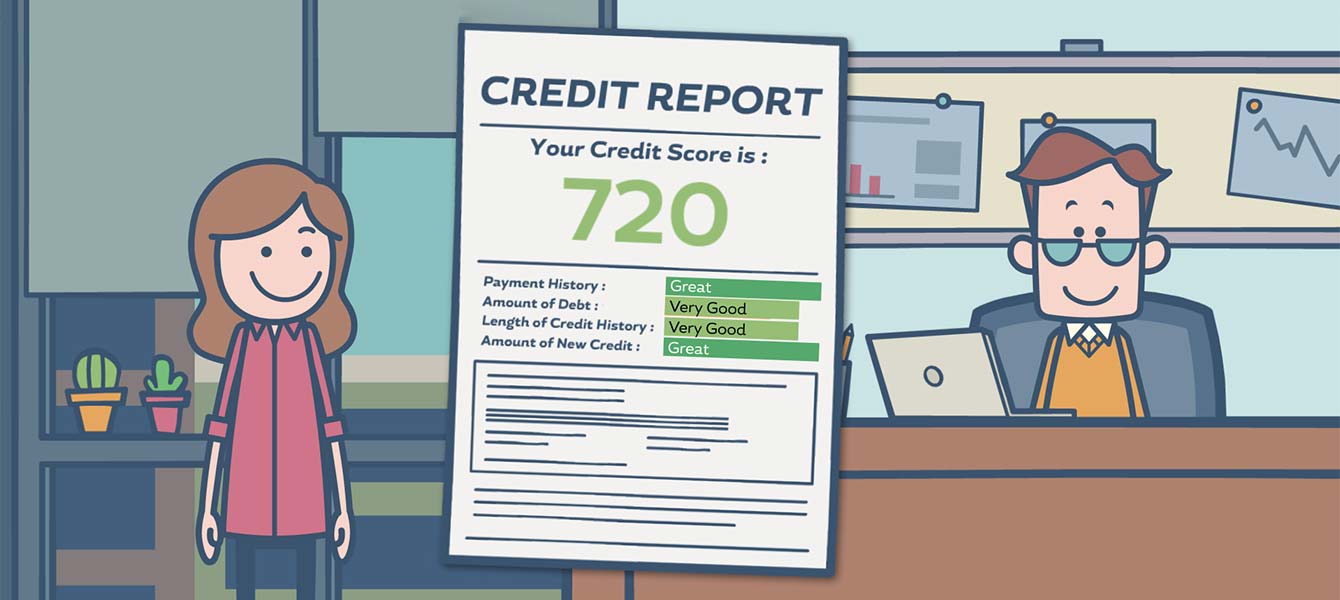
Do Not Neglect Your Bills
A single late payment on a credit card or utility bill can drop your credit score significantly. Lenders may cancel the loan if your score falls below their minimum requirements during the final check.
What to Know About the Closing Appointment
The closing usually takes place at a title company, attorney's office, or escrow office. Your closing agent should explain each document before you sign. On closing day, expect to sign a large volume of paperwork, including the Promissory Note, which is your legal promise to repay the FHA loan. Remember you cannot use personal checks for your down payment, use the agreed upon payment you and the lender or closing agent have agreed to.
FHA Loan Articles
August 19, 2026Homebuyers who have enough cash for a down payment still need to consider their full financial picture before choosing between a conventional mortgage and an FHA loan. Having cash on hand changes the math for both options, but savings alone won't make a conventional loan the automatic winner. Credit scores, current debt, and the type of property you want to buy all determine which loan will cost less over time.
August 11, 2026Homeowners with FHA adjustable-rate loans need to track their loans more closely. That is because FHA ARM loans start with introductory interest rates that eventually expire and are subject to change afterwards based on market rates. When interest rates rise, monthly housing payments climb on ARM loans, pushing many homeowners to consider refinancing into a fixed-rate mortgage.
August 10, 2026If you want to buy a home with an FHA mortgage, you must set up an escrow account to cover property taxes, homeowner insurance, and upfront closing expenses. While the FHA loan program has rules for funding these accounts, buyers often do not realize those rules can include approved and unallowed sources for escrow funds. What do you need to know before you set up and fund your escrow account for an FHA mortgage?
August 3, 2026Buying a home in a high-cost area requires understanding how FHA loan limits shape your financing options. Does the house for sale have a price above the local FHA loan limit? You may need to explore your jumbo loan options. There are conventional jumbo loans and FHA versions. Which is right for you? Much depends on your financial needs, plans, and goals for the loan.
July 30, 2026There is a common misconception about FHA loans that only a first-time home buyer can use the program. This is not true; repeat buyers can qualify for an FHA loan, but why does this misconception exist? Partially because state and local programs have first-time buyer requirements for down payment and/or closing cost assistance programs. So while you do not need to be a first-time buyer to get an FHA loan, you may need to meet that definition to qualify for down payment help.