




How FHA Loan Rules Protect Your Investment
January 29, 2026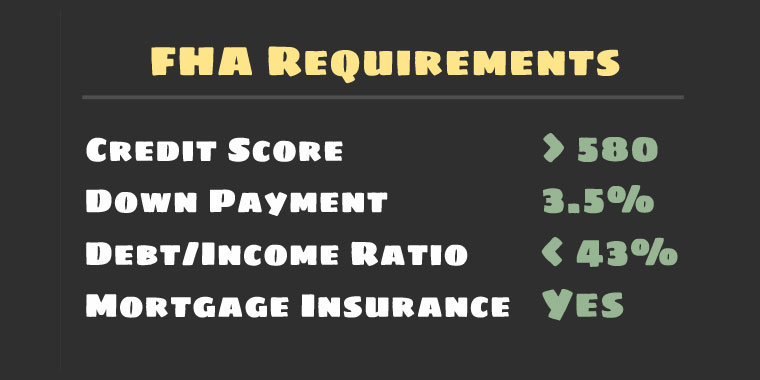
Some of the FHA loan rules also protect the lender from loans that are too risky, and while that might seem irrelevant from a consumer point of view, in a backhanded way, these lender guidelines also protect the consumer, typically in the form of keeping someone who can't truly afford the loan from committing to it.
The FHA loan regulations that protect the borrower are a safety net helping you to avoid purchasing a home that won't be worth what you paid for it by the time you sell or refinance.
While many buyers view the appraisal and underwriting process as a hurdle, these steps exist to prevent you from inheriting a disaster. FHA loan rules that protect consumers focus on the property's condition and the sustainability of the FHA loan debt.
The FHA Loan Amendatory Clause
The FHA Amendatory Clause provides financial protection right from the start of the transaction. This clause states that you have no obligation to complete the sale if the appraisal value comes in lower than the asking price.
If the appraiser determines the house is worth less than the amount you agreed to pay, you can cancel the deal without penalty, since the law requires the lender to return your earnest money deposit in this situation.
This FHA loan rule prevents you from overpaying for a property and protects your cash. It also prevents the lender from giving you a loan for more than the value of the collateral.
FHA Property Standards
The FHA establishes Minimum Property Requirements (MPRs) for homes purchased with FHA mortgages. These standards must be met, or the home must be brought into compliance as a condition of FHA loan approval.
One MPR involves lead paint in homes built before 1978. If the appraiser observes chipping or peeling paint, the seller must scrape and repaint those surfaces, as the FHA presumes there is lead-based paint.
The FHA also requires a water supply inspection to ensure it is clean. If the home uses a well, the well water must be tested for bacteria or chemicals. The appraiser also verifies that the sewage system is leak-free.
The FHA requires the roof to be in good repair; it must prevent moisture from entering the house. If the roof shows signs of failure, the seller must correct it before you buy the house. These rules and others like it ensure that the house remains a durable asset.
Underwriting Ratios
The lender reviews your income and your bills to determine your debt-to-income ratio, and while not technically a consumer protection this practice prevents the lender from approving loans that potential borrowers can't realistically afford. Yes, this protects the lender first, but borrowers should know why the FHA enforces such guidelines.
FHA typically limits the house payment to 31 percent of your gross income. The total debt ratio, which includes car payments and credit card debt, is typically 43 percent. These limits prevent you from becoming "house poor."
The FHA also tracks the source of your down payment, typically to make sure the money is from approved sources and not from loans disguised as gifts. If you receive a downpayment gift, the lender must document it to prove you do not owe more money to a third party. These rules build a foundation for your financial success as a homeowner.
Foreclosure Prevention
The FHA provides protections that continue after you sign the papers. If you face a hardship, such as a job loss or illness, the FHA requires the lender to assist. The lender must contact you to discuss options to avoid foreclosure. These options include forbearances and repayment plans.
The FHA offers a Partial Claim program in which the government pays the lender for missed payments. You pay the government back when you sell the house or finish the loan, helping your family stay in the home during a financial crisis. The lender can also modify the loan to lower the interest rate or extend the term.
FHA Loan Articles
August 19, 2026Homebuyers who have enough cash for a down payment still need to consider their full financial picture before choosing between a conventional mortgage and an FHA loan. Having cash on hand changes the math for both options, but savings alone won't make a conventional loan the automatic winner. Credit scores, current debt, and the type of property you want to buy all determine which loan will cost less over time.
August 11, 2026Homeowners with FHA adjustable-rate loans need to track their loans more closely. That is because FHA ARM loans start with introductory interest rates that eventually expire and are subject to change afterwards based on market rates. When interest rates rise, monthly housing payments climb on ARM loans, pushing many homeowners to consider refinancing into a fixed-rate mortgage.
August 10, 2026If you want to buy a home with an FHA mortgage, you must set up an escrow account to cover property taxes, homeowner insurance, and upfront closing expenses. While the FHA loan program has rules for funding these accounts, buyers often do not realize those rules can include approved and unallowed sources for escrow funds. What do you need to know before you set up and fund your escrow account for an FHA mortgage?
August 3, 2026Buying a home in a high-cost area requires understanding how FHA loan limits shape your financing options. Does the house for sale have a price above the local FHA loan limit? You may need to explore your jumbo loan options. There are conventional jumbo loans and FHA versions. Which is right for you? Much depends on your financial needs, plans, and goals for the loan.
July 30, 2026There is a common misconception about FHA loans that only a first-time home buyer can use the program. This is not true; repeat buyers can qualify for an FHA loan, but why does this misconception exist? Partially because state and local programs have first-time buyer requirements for down payment and/or closing cost assistance programs. So while you do not need to be a first-time buyer to get an FHA loan, you may need to meet that definition to qualify for down payment help.