





Common Questions About FHA Home Loan Approval
July 29, 2025
This government insurance allows lenders to offer mortgages with lower down payments and more flexible credit rules. Borrowers who can't afford the larger down payments or meet the higher credit requirements of some conventional mortgages turn to FHA loans as a more affordable alternative.
But there are aspects of the FHA loan approval process a new borrower may not fully understand at first, here are some frequently asked questions about FHA home loan approvals you should have the answers to in the earliest stages of your home buying planning.
Is FHA loan approval guaranteed if you meet the basic requirements?
No, approval is not guaranteed. Every application goes through an underwriting process to manage risk. An applicant's finances are reviewed in detail, and the home being purchased must meet specific standards for safety and quality.
What are the most common reasons an FHA loan application is denied?
Based on federal mortgage data, loan denials often happen for specific reasons. As of 2025, the most common reasons for an FHA loan denial relate to three main areas: the applicant's debt-to-income ratio is too high, their credit history is unacceptable, or the property itself fails to meet standards.
How does the FHA loan approval process work?
The process starts when the borrower applies with an FHA-approved lender. The lender gathers the borrower's financial data and reviews it. That review focuses on three key parts: the applicant's credit, their ability to repay the loan, and the condition of the property.
What are the FHA's credit requirements for a borrower?
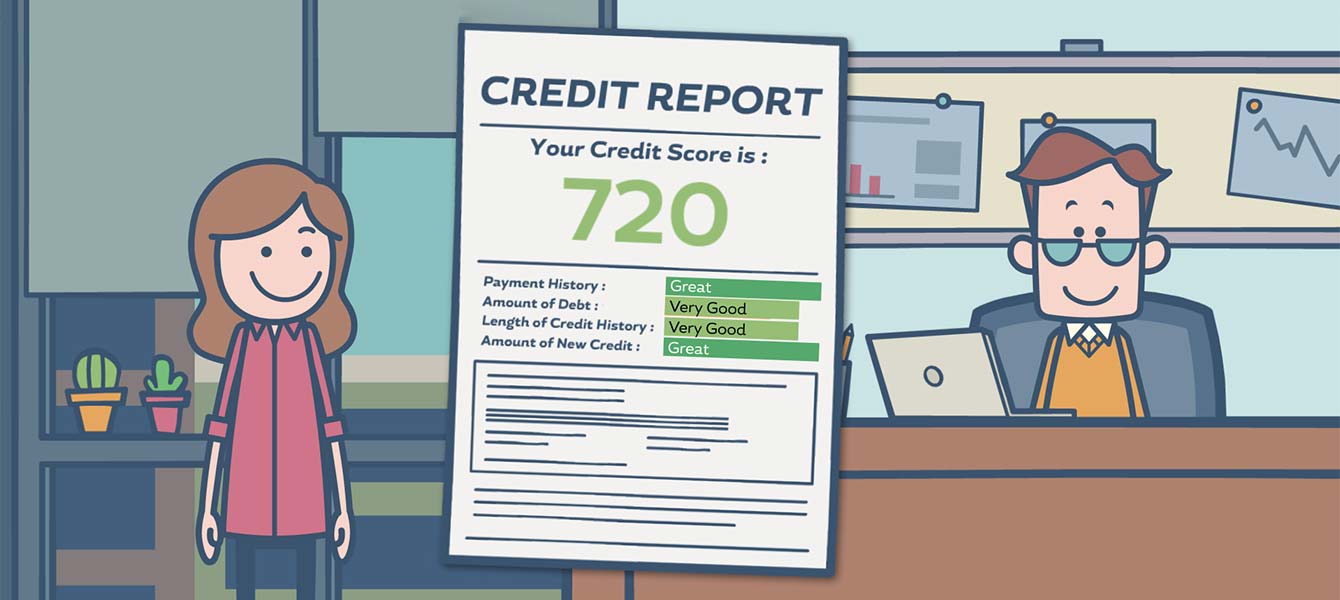
The FHA has minimum credit score guidelines. A 580 score is generally needed for a 3.5 percent down payment. FICO scores between 500 and 579 require 10 percent down. Lenders review the full credit report, and not just your scores. This is done to assess risk and lenders may have their own internal score requirements that are higher than the FHA minimum.
How does a lender determine if a borrower can afford the loan?
A lender reviews the applicant's income and calculates their debt-to-income (DTI) ratio. Income must be stable and documented. The DTI ratio compares a borrower's monthly debt payments to their gross monthly income. This is a big factor in the approval decision.
What kind of credit history issues can lead to an FHA loan denial?
Even with a qualifying score, specific issues on a credit report can lead to denial. These include recent late payments, especially on rent, numerous collection accounts, or unpaid federal debt like back taxes. There are also mandatory waiting periods after major events like a bankruptcy or foreclosure; applying before this period is over will result in denial.
Why is DTI a top reason for denial?
A high debt-to-income (DTI) ratio may be is a top reason for denial because it helps lenders measure a borrower's ability to manage a new mortgage payment. The FHA generally recommends a total DTI ratio of 43 percent or less. Applications with a higher ratio may be denied if the borrower does not have other financial strengths, like a high credit score or large cash savings.
What role does the property itself play in the approval process?
The property, or collateral, must undergo an FHA appraisal. This appraisal confirms the home's market value and, just as importantly, verifies that it meets the FHA’s Minimum Property Standards for safety and structural soundness. If an appraiser finds problems, the loan cannot be approved until they are fixed.
How does a property fail an FHA appraisal?
A property fails if the appraiser finds that it does not meet the FHA's Minimum Property Standards. Common reasons for failure include a leaky roof, peeling paint in homes built before 1978, faulty wiring, a non-working heating system, or evidence of termites. Safety hazards like missing handrails on stairs also must be corrected. If the seller is unwilling to make these required repairs, the loan will be denied.
Can an appraisal lead to denial even if the property is in good condition?
Yes. An appraisal also establishes the home's market value. If the appraised value comes in lower than the agreed-upon sales price, the FHA will only insure a loan amount based on that lower value. If the buyer cannot pay the difference in cash and the seller will not lower the price, the transaction cannot proceed, and the loan for that property is denied.
FHA Loan Articles
August 19, 2026Homebuyers who have enough cash for a down payment still need to consider their full financial picture before choosing between a conventional mortgage and an FHA loan. Having cash on hand changes the math for both options, but savings alone won't make a conventional loan the automatic winner. Credit scores, current debt, and the type of property you want to buy all determine which loan will cost less over time.
August 11, 2026Homeowners with FHA adjustable-rate loans need to track their loans more closely. That is because FHA ARM loans start with introductory interest rates that eventually expire and are subject to change afterwards based on market rates. When interest rates rise, monthly housing payments climb on ARM loans, pushing many homeowners to consider refinancing into a fixed-rate mortgage.
August 10, 2026If you want to buy a home with an FHA mortgage, you must set up an escrow account to cover property taxes, homeowner insurance, and upfront closing expenses. While the FHA loan program has rules for funding these accounts, buyers often do not realize those rules can include approved and unallowed sources for escrow funds. What do you need to know before you set up and fund your escrow account for an FHA mortgage?
August 3, 2026Buying a home in a high-cost area requires understanding how FHA loan limits shape your financing options. Does the house for sale have a price above the local FHA loan limit? You may need to explore your jumbo loan options. There are conventional jumbo loans and FHA versions. Which is right for you? Much depends on your financial needs, plans, and goals for the loan.
July 30, 2026There is a common misconception about FHA loans that only a first-time home buyer can use the program. This is not true; repeat buyers can qualify for an FHA loan, but why does this misconception exist? Partially because state and local programs have first-time buyer requirements for down payment and/or closing cost assistance programs. So while you do not need to be a first-time buyer to get an FHA loan, you may need to meet that definition to qualify for down payment help.