




Is an FHA Fixer-Upper Loan Right for You?
July 14, 2025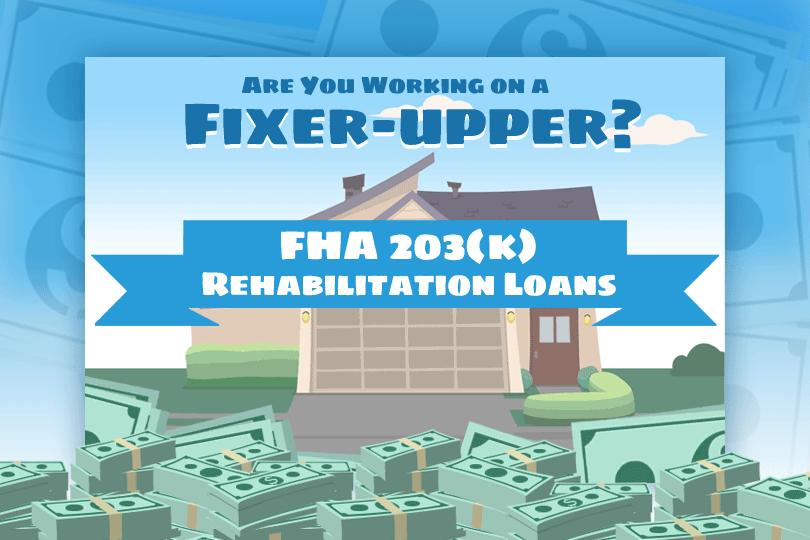
FHA fixer-upper loans, more formally known as FHA 203(k) rehab loans, are one low-down payment option for borrowers who want to explore these options. It is also available as a refinance option.
There's a high demand for these loans and others like them. One source claims as much as 80 percent of U.S. homes are at least 20 years old. The same source reports 40 percent of American homes are 50 years or older.
Major housing finance agencies, including Fannie Mae, Freddie Mac, and the VA, offer these products to support housing affordability and expand inventory by facilitating improvements to existing properties.
For example, the Fannie Mae HomeStyle Renovation loan is for a wide range of home improvements, from minor repairs and restoration to significant additions, such as mudrooms or in-law suites. The Freddie Mac CHOICE Renovation mortgage is another conventional solution for financing home purchases or refinances that includes renovation costs.
However, the FHA 203(k) rehab loan is the one that features a 3.5% minimum down payment for eligible borrowers and no penalty for early payoff of the loan. This program offers more affordable financing for the right borrower, and a range of renovations are eligible.
Projects may, depending on the scope of the loan, include structural alterations, reconstruction, modernization, elimination of health and safety hazards, and improvements to appearance.
They may also include reconditioning of plumbing and electrical systems, roofing, flooring, major landscaping, accessibility enhancements, and energy conservation measures.
Luxury items, such as swimming pools or outdoor kitchens, are generally not eligible for inclusion in these renovations. The borrower must finance those projects in an alternative manner. Owner-occupants, local governments, and approved nonprofit organizations may use the FHA 203(k) program; investors are not eligible to apply.
The original construction must have been completed for at least one year to ensure the program is used for repairing existing structures, not new construction. That said, a home damaged in a natural disaster may still qualify even if it does not meet that requirement.
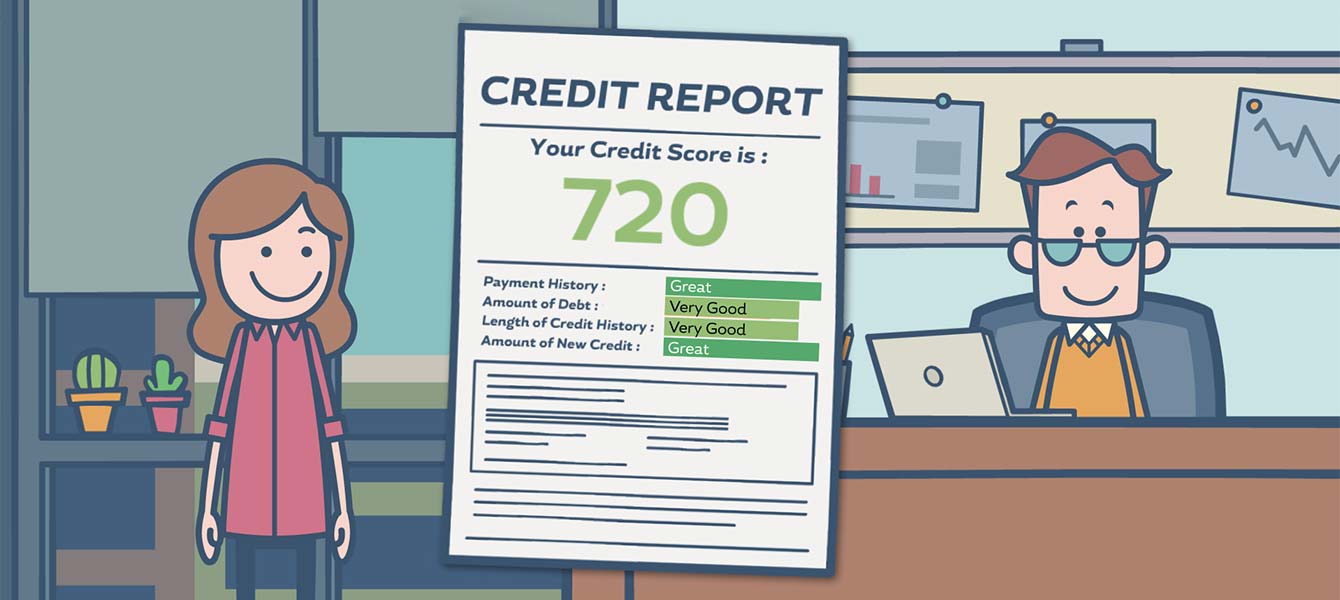
FHA applicants with FICO scores above 580 are eligible for maximum financing (96.5 percent LTV).
Applicants with scores between 500 and 579 are limited to a maximum of 90 percent LTV. Scores below 500 are ineligible for FHA-insured financing for any loan, including FHA 203(k) loans.
FHA Loan Articles
August 19, 2026Homebuyers who have enough cash for a down payment still need to consider their full financial picture before choosing between a conventional mortgage and an FHA loan. Having cash on hand changes the math for both options, but savings alone won't make a conventional loan the automatic winner. Credit scores, current debt, and the type of property you want to buy all determine which loan will cost less over time.
August 11, 2026Homeowners with FHA adjustable-rate loans need to track their loans more closely. That is because FHA ARM loans start with introductory interest rates that eventually expire and are subject to change afterwards based on market rates. When interest rates rise, monthly housing payments climb on ARM loans, pushing many homeowners to consider refinancing into a fixed-rate mortgage.
August 10, 2026If you want to buy a home with an FHA mortgage, you must set up an escrow account to cover property taxes, homeowner insurance, and upfront closing expenses. While the FHA loan program has rules for funding these accounts, buyers often do not realize those rules can include approved and unallowed sources for escrow funds. What do you need to know before you set up and fund your escrow account for an FHA mortgage?
August 3, 2026Buying a home in a high-cost area requires understanding how FHA loan limits shape your financing options. Does the house for sale have a price above the local FHA loan limit? You may need to explore your jumbo loan options. There are conventional jumbo loans and FHA versions. Which is right for you? Much depends on your financial needs, plans, and goals for the loan.
July 30, 2026There is a common misconception about FHA loans that only a first-time home buyer can use the program. This is not true; repeat buyers can qualify for an FHA loan, but why does this misconception exist? Partially because state and local programs have first-time buyer requirements for down payment and/or closing cost assistance programs. So while you do not need to be a first-time buyer to get an FHA loan, you may need to meet that definition to qualify for down payment help.